And Gary’s Five Paragraph Essay about Zach’s Session
Please share my summary of Zach Messler’s PMM Jam Session 08 with your writing student children. Why? First, to help them model a standard five paragraph essay structure. Then, to help them understand a selection of ideas in first principles thinking.
Honestly, this first principles stuff is only about 3 years old to me, and I wish I started to learn it a lot earlier in life.
PMM is Teaching and Teaching is about Questions
Lately I’ve been reminded of:
(1) How much of PMM is really teaching and
(2) How many businesspeople have forgotten how to construct a good five paragraph essay.
I’ve repeatedly said that Product Marketing (and, honestly, many things in life) are best represented by the five-paragraph essay format. Seriously. I use this answer in interviews. Need to go deeper? Recurse on a supporting paragraph with another five paragraph essay. And so on, and so on, and so on…
As a thought experiment
As a thought experiment, I wrote this blog the way an advanced middle school student might write a five-paragraph essay about the first principles topic after listening to or reading some of Zach’s work.
I used a thesis, three pieces of evidence, an explanation of each, and a “what if?” thought challenge to close. (Disclosure: I asked AI to help me make a good subset of middle school-level topics from Zach’s session and to help me bring language down to a middle school level).
Yet, an essay (or other asset like it) is not first principles thinking
Ironically, and as I understand it, a five-paragraph essay isn’t really first principles thinking. Perhaps a message house stripped of industry cliches, assumptions, and content-free conventions is the first principles artifact. An artifact that feed its first principles ideas into a variety of assets and programs, from a piece of writing like this, to an executive briefing, or a video, or even a product design.
Zach, any thoughts? Or thoughts from someone smarter than me about first principles thinking and approach? (Which is most anyone, lol.)
And now, a five-paragraph essay about select elements in Zach Messler’s PMM Jam session written at the middle school level in a standard five paragraph essay form.
THE ESSAY:
Zach Messler and First Principles Thinking
In his PMM Jam session on November 18, 2026, Zach Messler taught a way of thinking called “first principles thinking.” Zach is a product marketer, which means he helps companies explain what they sell. First principles thinking means taking a big, confusing idea, breaking it into tiny parts, asking lots of questions, and then building the idea back up so it is easy to understand. First principles thinking helps anyone understand hard ideas and explain them well, because it comes from ancient times, it uses lots of questions, and it lets you build new ideas out of simple pieces.
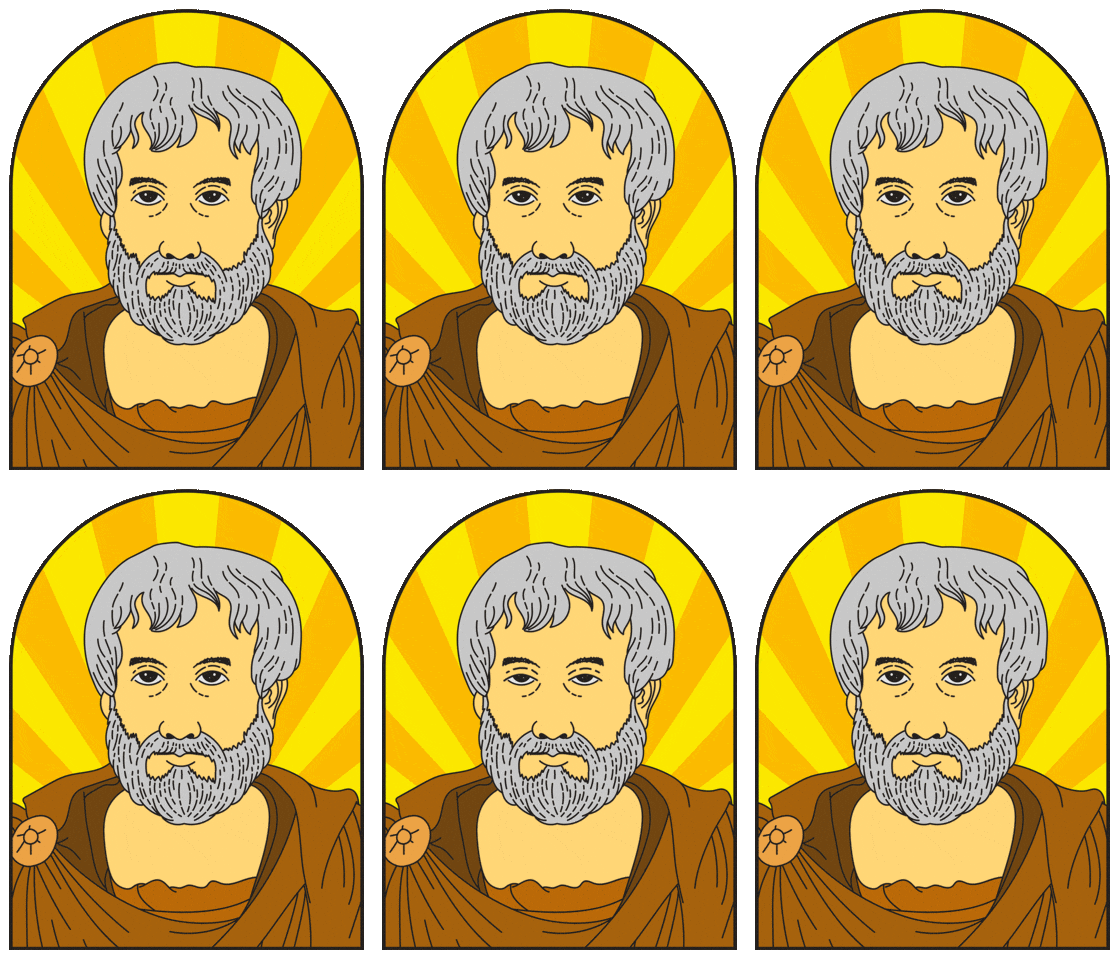
First, first principles thinking is not a new trick. It is more than 2,000 years old! Zach studied philosophy in college. (A philosopher is someone who thinks hard about big questions.) He explained that the Greek philosopher Aristotle wrote about first principles in a book called Metaphysics. Zach said, “First principles thinking is getting things down to the bare bones, the simplest way you can think about something.” This means you look for the skeleton of an idea, the part that holds everything else together. Aristotle called this the “essence,” which is the thing that makes something what it is. This shows that first principles thinking has helped people understand hard ideas for a very long time.
Another reason first principles thinking works is that it is built on questions. Zach said to ask who, what, when, where, why, and how. He also told us to “act like your inner 3-year-old. It’s asking why all the time.” For example, Zach told a story about buying a drill. Why buy a drill? To make a hole in the wall. Why? To attach a bookshelf to the wall so it won’t fall over. Why? Because a 3-year-old keeps climbing it to reach chocolate hidden on the top shelf. Why does that matter? Because the parent wants to keep the child safe! This shows that asking “why?” again and again can be a little annoying, but each question digs deeper until you find the real answer.
Finally, once you break an idea into small pieces, you can build something new and creative. Zach said, “When you’re breaking things down to its innermost parts, to its most basic units, it makes creating connections so much easier.” For example, Zach helped a company that fixed computers for other businesses. Their message sounded just like everyone else’s. One of the owners loved tacos, so Zach compared their business to a taco. The tortilla was their 24/7 help, the cheese was a personal tech leader, and the secret sauce was their people. At a trade show, they put a giant paper taco in their booth, and crowds came to see it. People ate it up! (Ha ha.) This shows that even things that seem to have nothing in common, like tacos and computers, can snap together like LEGO bricks once you break them into simple parts.
In conclusion, Zach Messler showed that first principles thinking, from Aristotle’s ancient ideas, to a little kid’s “why?”, to a giant taco, can turn confusing ideas into clear ones. What if the next time you got a hard assignment from a boss, you broke it into its smallest pieces and asked “why?” at least five times? You might just do your best work yet!
See you tomorrow for PMM Jam Day 09!
GaryD
Leave a Reply